Why “tỷ lệ kèo” Is Crucial in Football Match Analysis – And How to Spot When Bookmakers Adjust the Odds
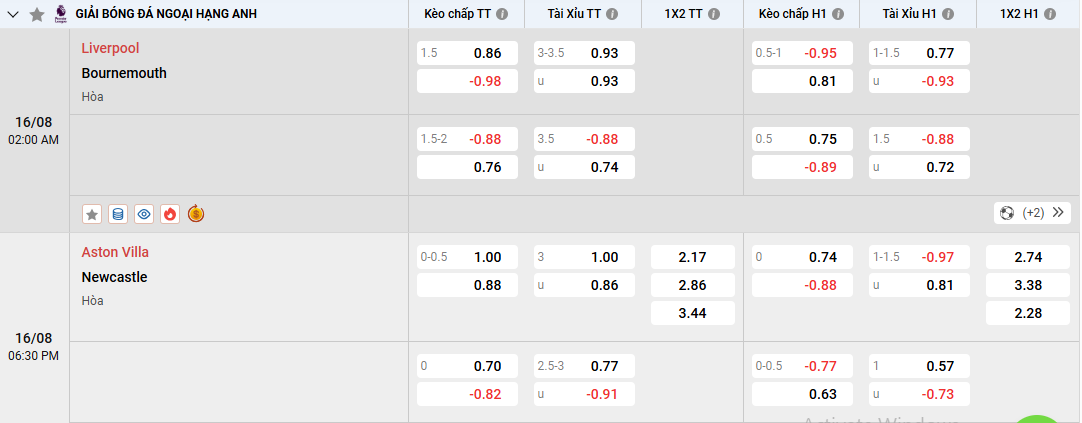
In the world of football betting, the term tỷ lệ kèo is far more than just a set of numbers on a bookmaker’s board. It represents the bookmaker’s calculated assessment of a match, considering every possible variable: team strength, player form, historical performance, and even psychological factors. For bettors, understanding tỷ lệ kèo is like learning the language of the market—it allows them to read between the lines, anticipate outcomes, and recognize opportunities.
This article explores why tỷ lệ kèo is so important in football match analysis, and what players need to do to detect signs that bookmakers may be subtly adjusting the odds to influence betting patterns.
1. The Strategic Role of “tỷ lệ kèo” in Match Analysis
The tỷ lệ kèo in a football match is not simply a reflection of who is more likely to win. Instead, it is the product of statistical modeling, market psychology, and risk management by the bookmaker. Here’s why it is essential in analysis:
- Market Reflection: Tỷ lệ kèo reflects not only team form but also betting trends. For example, if a majority of the market favors one team, the odds may shift even if there’s no new injury or tactical change. This means tỷ lệ kèo is both a performance predictor and a mirror of public opinion.
- Hidden Insights: Sometimes, odds are set in a way that appears counterintuitive. A strong team might have surprisingly high odds for winning, suggesting that bookmakers anticipate an upset or that insider information could be at play.
- Risk Management by Bookmakers: Bookmakers are businesses. Their goal is to balance the betting pool so they profit regardless of the outcome. When tỷ lệ kèo changes, it often means they are adjusting their risk exposure.
By carefully analyzing these shifts, a bettor can gain insights beyond simple match statistics.
2. How “tỷ lệ kèo” Signals Potential Bookmaker Strategies
The bookmaker’s adjustments in tỷ lệ kèo are not random. They can be early indicators of strategic moves designed to influence betting volume.
Some common scenarios include:
- The “Trap Odds” Strategy: Bookmakers may set an attractive tỷ lệ kèo on a favorite team to draw massive bets in their direction, only to shift the odds later when public money is already committed. This can trap inexperienced bettors into taking unfavorable lines.
- Sudden Odds Drops: If the tỷ lệ kèo for a team drops dramatically in a short time, it may signal insider knowledge—perhaps an unannounced injury or last-minute tactical change.
- Balanced Risk Adjustment: When too much money flows toward one outcome, bookmakers adjust tỷ lệ kèo to attract bets on the opposite side. Recognizing this shift can help bettors find value in less popular outcomes.

3. Steps for Players to Recognize When “tỷ lệ kèo” Shows Signs of Bookmaker Adjustment
To detect when bookmakers are subtly influencing betting patterns, players should develop a disciplined observation process:
Step 1: Track Opening vs. Closing Odds
Always note the tỷ lệ kèo when it first appears and compare it to the closing odds right before the match. Large differences can indicate shifts in market sentiment or bookmaker intervention.
Step 2: Monitor Betting Volume
While you may not have access to all betting data, certain websites and betting forums track where public money is going. If the majority bets heavily on one side but the tỷ lệ kèo moves in the opposite direction, that’s a red flag.
Step 3: Cross-Reference with News and Updates
When tỷ lệ kèo changes significantly without any public news, be cautious. This could mean that bookmakers are reacting to insider information not yet available to the general public.
Step 4: Look for Psychological Bait
Sometimes the tỷ lệ kèo seems “too good to be true” for a strong team. This may be intentional, designed to draw in casual bettors. Experienced players recognize these as potential traps.
4. Common Mistakes Bettors Make When Reading “tỷ lệ kèo”
Many bettors misuse tỷ lệ kèo because they either rely on them blindly or interpret them incorrectly. Common mistakes include:
- Assuming the odds are always accurate predictions: Odds are influenced by market forces, not just pure match probabilities.
- Ignoring context: A team’s form, injuries, schedule congestion, and even weather conditions can make a big difference in how tỷ lệ kèo should be interpreted.
- Overreacting to minor fluctuations: Small changes in tỷ lệ kèo can be normal market activity, not necessarily a signal.
By avoiding these pitfalls, players can make more rational, informed betting decisions.
5. Practical Example of Detecting Bookmaker Influence
Imagine a Champions League match between a top-tier club and a mid-table opponent. The opening tỷ lệ kèo gives the favorite a handicap of -1.5 at odds of 1.90. A few hours later, without any injury reports, the handicap shifts to -1.0 with the same odds.
This could mean:
- The bookmaker received a surge of bets on the underdog and adjusted to balance risk.
- Insider information suggests the favorite might rotate players or play more cautiously.
An observant bettor might take advantage of this shift by betting early on the favorite at -1.5 before the odds move, or alternatively, waiting for better odds on the underdog.

6. Building a Strategy Around “tỷ lệ kèo” Analysis
If you want to turn tỷ lệ kèo into a profitable tool, your approach should include:
- Long-Term Tracking: Record odds movements for specific leagues and teams to identify patterns over time.
- Combining Data and Intuition: Use statistics to guide you, but also develop a feel for how certain bookmakers behave in specific match scenarios.
- Staying Informed: The earlier you learn about lineup changes, weather issues, or player morale, the better you can interpret tỷ lệ kèo changes.
Conclusion
In football betting, tỷ lệ kèo vin88 is both a map and a compass. It doesn’t guarantee a winning ticket, but it points to where the action and the risks lie. Bookmakers adjust these odds strategically, and the ability to spot those adjustments can give bettors a crucial edge.
By tracking odds movements, cross-referencing with real-world events, and avoiding common misinterpretations, players can turn tỷ lệ kèo into a powerful part of their betting analysis toolkit. In the end, understanding the language of odds is not just about numbers—it’s about reading the game before it’s played.