The Growing Use of Character-Based Animation in Contemporary Online Slot Design
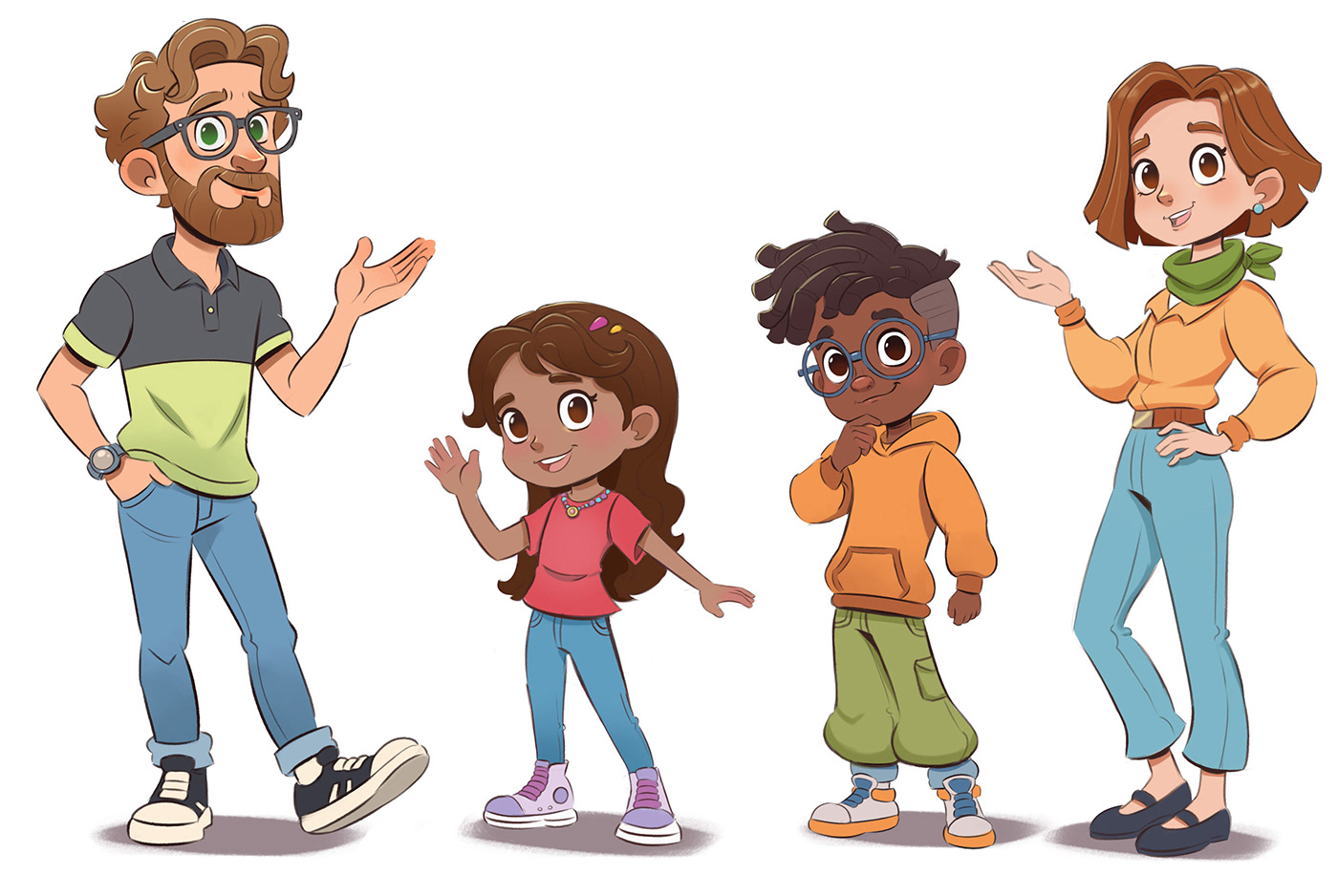
Character-based animation is becoming an increasingly important part of contemporary online slot presentation.
Earlier digital titles often used static figures as decorative artwork, while newer games allow characters to move, react, change expressions, interact with objects, and respond to activity on the reels.
This shift gives characters a more active role within the interface. They can support visual themes, guide attention, mark transitions, and connect different screen events. When character movement is carefully coordinated with symbols, backgrounds, counters, and reel changes, it can create a clearer and more expressive presentation.
Characters Are Becoming Active Parts of the Interface
Characters are no longer limited to appearing beside the reels as fixed illustrations. Animation allows them to respond directly to what is happening on the screen.
This gives developers another way to communicate information through movement.
Character Reactions Can Reflect Reel Activity
A character may turn toward a special symbol, move closer to the reel grid, point at a progress indicator, or change expression when another feature begins.
These reactions help connect character artwork with active game elements.
For example, a symbol may light up first, followed by a character looking toward it. This creates two related visual signals that direct attention to the same event.
Short reactions often work well because they communicate quickly without covering important controls or symbols.
Character Movement Can Strengthen Theme Identity
The way a character moves can reflect the artistic direction of the game.
Motion style can support setting, personality, and visual tone.
Different Themes Can Use Different Movement Styles
A fantasy-inspired figure might use flowing gestures or magical visual effects. A futuristic character may interact with digital panels, lights, or mechanical objects.
A playful figure could use quicker gestures and stronger facial reactions, while a calm character may rely on slower movement and controlled expressions.
Character animation may include:
- Hand gestures
- Facial reactions
- Changes in posture
- Movement between screen areas
- Interaction with themed objects
- Looking toward active symbols
- Short entrance and exit sequences
These details can give each character a distinct visual personality.
Facial Animation Adds More Expression
Large character movements are not always necessary.
Small facial changes can communicate reactions without taking attention away from the main reel area.
Expressions Can Support Important Screen Events
A smile, raised eyebrow, head turn, or change in eye direction can appear when something happens nearby.
These reactions can reinforce other visual signals.
For instance, a character may react at the same moment a counter increases or a special icon changes form.
Facial animation can therefore provide another layer of feedback while keeping the screen organised.
Characters Can Help Guide Player Attention
Modern online slot gacor interfaces may contain reels, counters, buttons, meters, backgrounds, symbols, and feature indicators at the same time.
Character movement can help direct the eye toward the part of the screen that currently matters most.
Gestures Can Act as Visual Cues
A character may point toward a reel, look at a changing counter, or move closer to an active control.
Human attention naturally follows visible movement, making character gestures useful for directing focus.
These actions can help highlight:
- Special symbols
- Progress meters
- Changing values
- Reel transformations
- Feature transitions
- New interface elements
- Background changes
When gestures match other animation on the screen, the message becomes easier to understand.
Character Animation Can Connect Different Stages
Many modern slot gacor games include several visual phases within the same title.
Characters can help create continuity between these stages.
Movement Can Mark a Transition
A character may enter the screen when a new feature begins or move to another position as the background changes.
The figure might interact with an object before another reel layout appears.
This creates a visual link between one stage and the next.
Instead of replacing the entire screen instantly, character movement can become part of the transition.
The same figure can remain visible across multiple scenes, helping maintain a consistent visual identity.
Characters Can Interact With Background Elements
Character-based animation becomes more expressive when figures interact with their surroundings.
Objects, scenery, lights, and themed elements can respond to character actions.
Environmental Interaction Creates Stronger Connections
A character may open a door, activate a machine, touch an object, or trigger a change in lighting.
These actions make the setting feel connected to the figure rather than existing as separate artwork.
For example, a character might activate an object that causes the reel area to change. The background can then react through lighting or movement.
This creates a clear sequence between character action, environmental response, and reel activity.
Character Animation Works With Symbol Effects
Characters and symbols can also react to the same event.
When coordinated carefully, these responses can create a clear visual relationship.
Shared Reactions Build Visual Continuity
A symbol may glow or expand before a character responds.
The character might then gesture toward the icon while another interface element updates.
This creates a simple order:
- A symbol becomes active
- The character reacts
- A counter or meter changes
- The background responds
- The next stage begins
This kind of sequence helps explain how separate screen elements are connected.
Mobile Screens Are Influencing Character Placement
Character animation must also work on smartphones and tablets.
Smaller displays provide less room, so positioning and movement need careful control.
Compact Character Motion Keeps Reels Visible
Mobile versions may use shorter gestures, smaller characters, and more limited movement.
A figure may remain close to one side of the screen rather than moving across the entire display.
Character size and position can also change when a device moves between vertical and horizontal viewing.
This keeps the main reel area, counters, and controls readable while allowing the character to remain active.
Timing Keeps Character Reactions Clear
Character animation needs to appear at the right moment.
If several reactions occur at once, the screen can become difficult to follow.
Sequential Movement Creates Better Visual Order
A symbol may react first, followed by a short character gesture. A counter can then update, with the background changing afterward.
This gives each action enough time to communicate its meaning.
Characters can also remain relatively still during quieter periods so their movement becomes more noticeable when an important event occurs.
Controlled timing keeps character reactions purposeful.
Conclusion
Character-based animation is becoming a larger part of contemporary online slot design because it can connect personality, theme, movement, and interface communication.
Animated figures can react to symbols, guide attention, interact with backgrounds, support transitions, and help link different stages. Facial expressions and smaller gestures can also provide useful visual feedback without adding extra text.
As graphics technology continues to improve, characters are likely to become even more closely connected with real activity and interface behaviour. Clear timing, focused movement, and coordinated reactions can help characters become meaningful parts of the visual system rather than simple decorative elements.