Emergency Skills for Nannies and Childcare Providers
Caring for children is both a privilege and a profound responsibility. Nannies and childcare providers are not only entrusted with children’s daily needs—they are often the first line of defense in emergency situations. From minor scrapes to life-threatening events like choking or allergic reactions, preparedness can significantly affect outcomes. As such, every professional caregiver must be equipped with practical emergency skills to ensure the safety and well-being of the children in their care.
Why Emergency Training is Essential for Childcare Providers
Children, especially younger ones, are naturally curious and prone to accidents. Their bodies respond differently to trauma and illness than adults, requiring a specialized approach to care. Nannies and childcare providers, therefore, must be trained to recognize and respond to a range of pediatric emergencies quickly and effectively.
Benefits of emergency training include:
- Confidence to act swiftly and correctly during emergencies
- Reduction of risk for long-term injury or complications
- Ability to provide immediate care before professional help arrives
- Reassurance to parents and guardians about their child’s safety
Preparedness not only protects children but also enhances the caregiver’s professionalism and credibility.
Core Emergency Skills Every Childcare Provider Should Know
While there are countless scenarios that could arise during childcare, there are foundational emergency skills that every nanny or childcare provider must be proficient in:
1. Pediatric CPR and AED Use
Children and infants require different CPR techniques than adults. Nannies should be able to perform chest compressions and rescue breathing, and know how to operate an Automated External Defibrillator (AED) suited for children.
Key Points:
- Infant CPR uses two fingers; child CPR typically uses one or both hands, depending on size.
- Rescue breaths must be gentle and carefully timed.
- AED pads for children are often different from adult versions—training should include both.
Weekly practice or refreshers help retain these vital skills.
2. Choking Response for Infants and Children
Choking is one of the leading causes of injury and death in children under five. Whether it’s food, toys, or small objects, caregivers must know how to act instantly.
Infant Response:
- Alternate five back blows with five chest thrusts.
Child Response:
- Abdominal thrusts (Heimlich maneuver) should be applied until the object is expelled or the child becomes unresponsive.
Every second matters—training makes the difference between a tragic event and a safe recovery.
3. Allergic Reactions and EpiPen Administration
Food allergies, insect stings, and environmental allergens can provoke rapid reactions. Nannies must know how to identify symptoms of anaphylaxis and administer an epinephrine auto-injector.
Signs to watch for:
- Swelling of the face or lips
- Difficulty breathing
- Rash or hives
Administering an EpiPen and calling emergency services must happen simultaneously. Providers should always check expiration dates on any medications they’re authorized to use.
Online resources like Ottawa First Aid CPR offer detailed guidance and certification programs that emphasize real-world childcare scenarios, making them particularly valuable for caregivers.
4. Recognizing and Managing Fevers and Seizures
Children are susceptible to fevers, which can occasionally trigger febrile seizures. While usually not dangerous, they can be terrifying to witness.
Emergency protocol:
- Keep the child safe from harm during the seizure.
- Do not restrain movements or put anything in their mouth.
- Afterward, place them in the recovery position and monitor their breathing.
If a seizure lasts more than five minutes, or if the child doesn’t regain consciousness quickly, emergency services should be called immediately.
5. Treating Cuts, Scrapes, and Burns
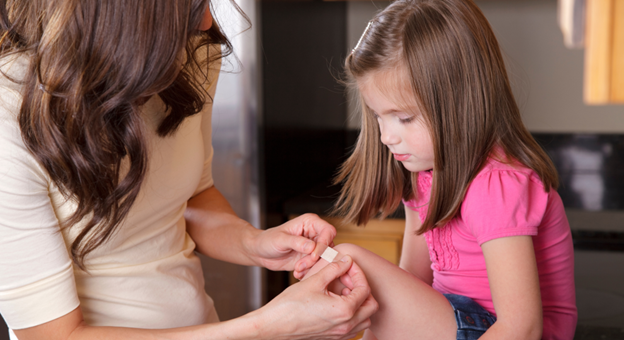
Everyday play can lead to minor injuries like scrapes and burns. Knowing how to clean, bandage, and monitor wounds for infection is essential.
Steps for minor wounds:
- Wash hands and the injured area.
- Apply an antiseptic.
- Cover with a clean, non-stick bandage.
- Observe for signs of infection over the following days.
For burns, cool water—not ice—should be used, and ointments should be avoided in initial care.
6. Poisoning and Ingestion
Children explore with their hands and mouths, which puts them at risk of ingesting harmful substances. From household cleaners to medications, poisoning is a very real concern.
What to do:
- Call poison control immediately.
- Do not induce vomiting unless instructed.
- Keep the substance container nearby for reference.
Nannies should be proactive about child-proofing environments and maintaining emergency contact numbers readily accessible.
Some childcare professionals have noted that after completing cpr training toronto, they realized how much of their prior emergency preparedness relied on guesswork rather than structured knowledge—a realization that came up somewhat randomly during feedback sessions.
Building a Safety-First Environment
While knowing emergency response techniques is crucial, preventing emergencies in the first place is equally important. Nannies and childcare providers should be vigilant about:
- Keeping small objects out of reach
- Securing furniture to prevent tipping
- Monitoring food and allergies
- Creating structured routines to minimize chaos
Routine safety checks, like verifying smoke detectors and first aid kit contents, reinforce a culture of prevention and preparedness.
Documenting Incidents and Communication
After any emergency, caregivers should document the incident thoroughly and communicate clearly with parents or guardians. Details such as:
- What happened
- When and where it occurred
- What steps were taken
- How the child responded
…are vital for transparency and follow-up care. Maintaining this level of professionalism strengthens trust and helps families make informed decisions.
Ongoing Training and Certification
Emergency protocols evolve. So should a caregiver’s training. Many childcare employers now require current certification in CPR and First Aid, specifically geared toward children and infants.
Refresher courses every two to three years are standard, with some organizations recommending annual reviews. Online platforms, blended courses, and in-person workshops all offer accessible options for busy professionals.
Conclusion
Nannies and childcare providers do far more than supervise play—they are caregivers, protectors, and sometimes first responders. Knowing how to manage emergencies with calm, confidence, and competence is not just a job requirement; it’s a moral imperative. With the right training and mindset, caregivers can create a safe environment that fosters trust, development, and well-being for the children they look after.