How A First Aid Course Helps You Stay Calm Under Pressure?
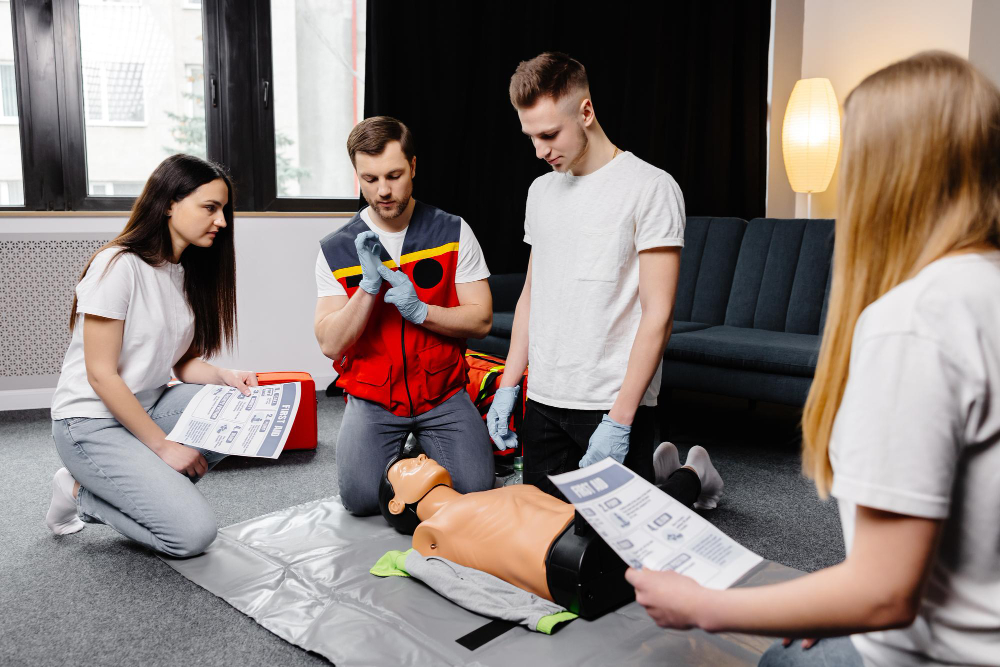
Pressure changes how people think. In emergencies, stress can cloud judgment, slow reactions, and lead to panic. This is why many individuals struggle to act even when they want to help. A first aid course does more than teach emergency techniques. It trains the mind to stay composed, focused, and effective when situations feel overwhelming. Through structured learning, such as first aid courses Sydney, people develop the mental control needed to respond calmly under pressure.
Understanding Why Panic Happens?
Panic is a natural response to fear and uncertainty. When the brain senses danger, it can override logical thinking. First aid education addresses this reaction by replacing uncertainty with knowledge.
In first aid CPR training Sydney, participants learn what is happening during an emergency and why specific actions are required. Understanding the situation reduces fear, making it easier to remain calm and think clearly.
Learning A Clear Response Structure
One of the main reasons people panic is not knowing what to do first. First aid courses introduce a clear, step-by-step response framework. This structure acts as a mental guide during stressful moments.
A well-designed CPR first aid course teaches learners how to assess the scene, check the person’s condition, and take appropriate action in order. Having a clear process removes guesswork and helps maintain control.
Practising Under Controlled Stress
Confidence grows through experience. First aid courses use realistic simulations that allow learners to practice responding under pressure in a safe environment.
Through first aid courses, participants experience scenarios that feel urgent but are guided by instructors. This exposure trains the brain to function effectively during stress, making real emergencies feel more manageable.
Building Emotional Control
Emotions can escalate quickly during emergencies, especially when someone is injured or unwell. First aid training teaches how to regulate emotional reactions rather than suppress them.
In first aid CPR training, learners practice staying composed while completing tasks. This emotional discipline allows responders to focus on helping rather than reacting emotionally to the situation.
Strengthening Decision-Making Skills
Clear decisions are critical in emergencies. Stress often leads to rushed or delayed choices. By emphasising prioritisation, first aid education helps improve decision-making skills.
A CPR first aid course reinforces how to identify the most urgent needs and act accordingly. This ability to prioritise under pressure supports calm, confident decision-making.
Improving Focus And Attention
High-pressure situations demand focus. Distractions, noise, and bystanders can make it difficult to concentrate. Training in first aid teaches people how to tune out distracting stimuli.
Participants in first aid courses develop the ability to focus on key indicators such as breathing, responsiveness, and safety. This focused attention supports steady and controlled responses.
Enhancing Communication Under Stress
Clear communication helps prevent chaos during emergencies. Stress often causes people to speak too quickly or unclearly. First aid training emphasises calm, effective communication.
Through first aid CPR training, learners practice speaking clearly, giving simple instructions, and reassuring others. This communication skill reinforces control over the situation and reduces panic among bystanders.
Building Confidence Through Repetition
Confidence is one of the strongest tools for staying calm. When people trust their abilities, they are less likely to panic. First aid courses build confidence through repetition and reinforcement.
A CPR first aid course allows learners to practice skills multiple times, making actions feel familiar. This familiarity supports calm reactions when real pressure arises.
Developing Mental Resilience
Staying calm under pressure is a form of resilience. First aid training strengthens this resilience by teaching individuals how to manage stress effectively.
Those who complete first aid courses often report feeling more prepared not only for emergencies but also for stressful situations in everyday life. The mental skills gained extend beyond medical scenarios.
Applying Calm Thinking Beyond Emergencies
The ability to stay calm under pressure is valuable in many aspects of life. First aid training develops habits of assessment, focus, and controlled action that apply broadly.
Through first aid CPR training in Sydney, learners gain a mindset that supports clear thinking in challenging moments. This mindset becomes a lasting benefit.
A first aid course does more than teach emergency care. It trains individuals to remain calm, focused, and effective when pressure is high. By combining knowledge, practice, and mental preparation, first aid education empowers people to respond with confidence when it matters most.